Role
UX Designer
Team
Vaibhav Doifode - UX (Myself)
Rajeswari Jayakumar - UX
Duration
Nov 2024 - Dec 2024
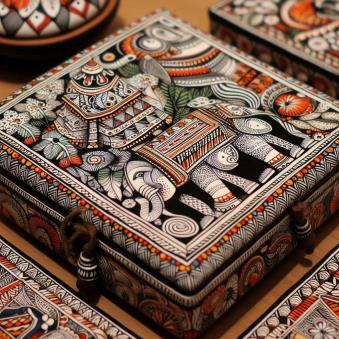
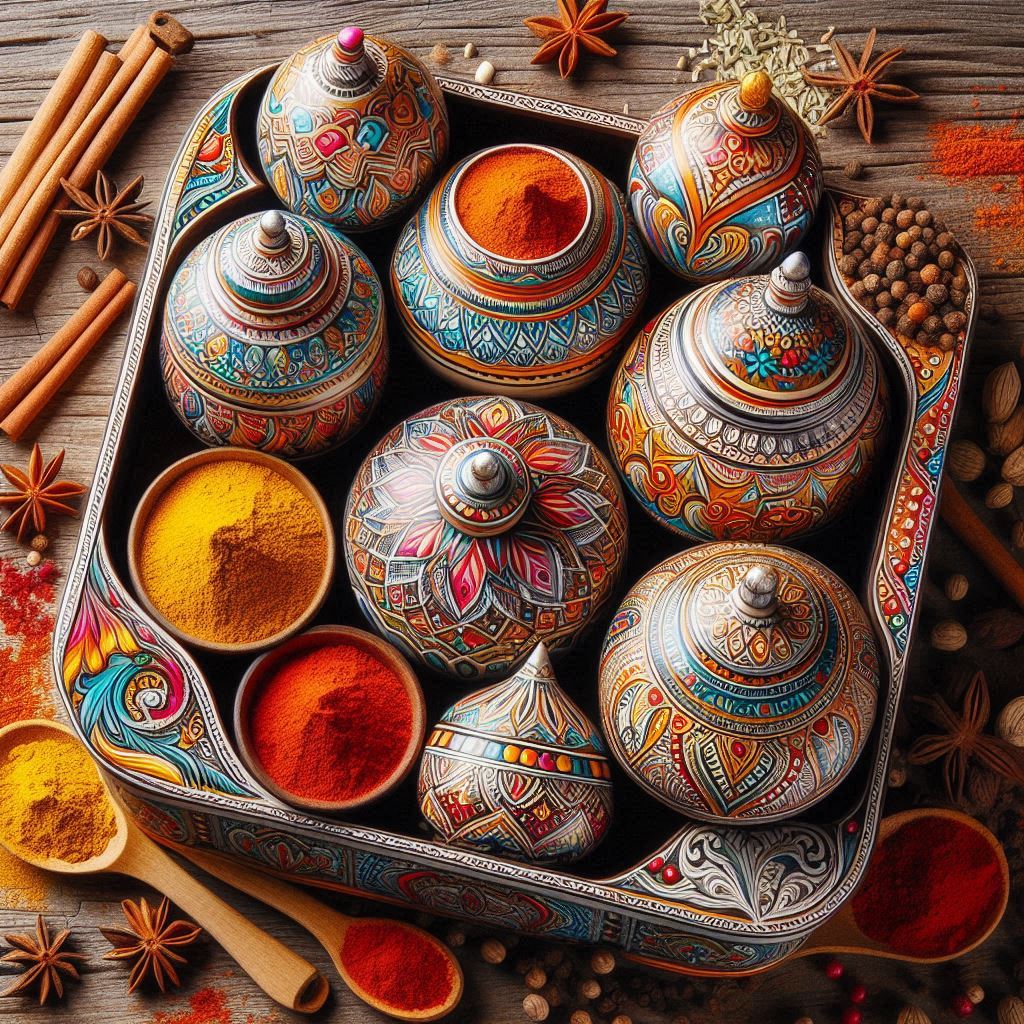
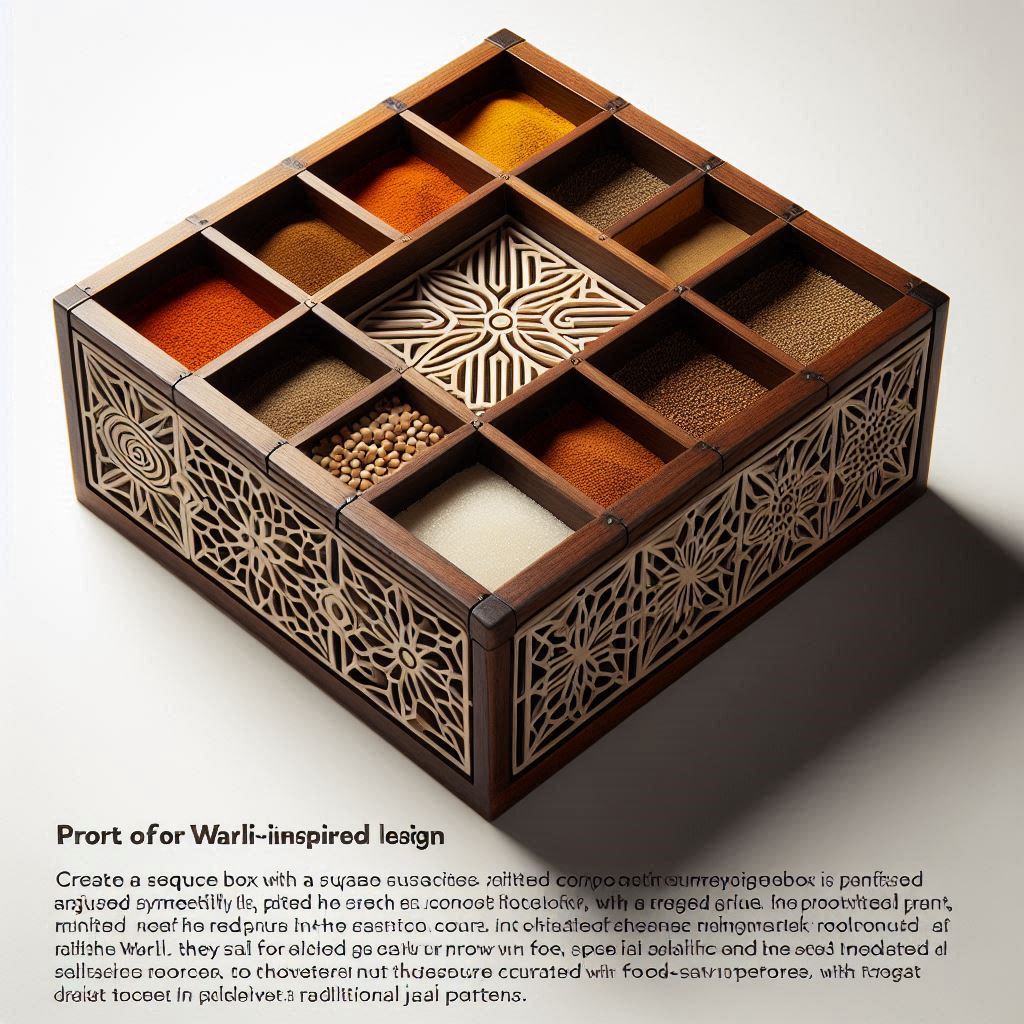
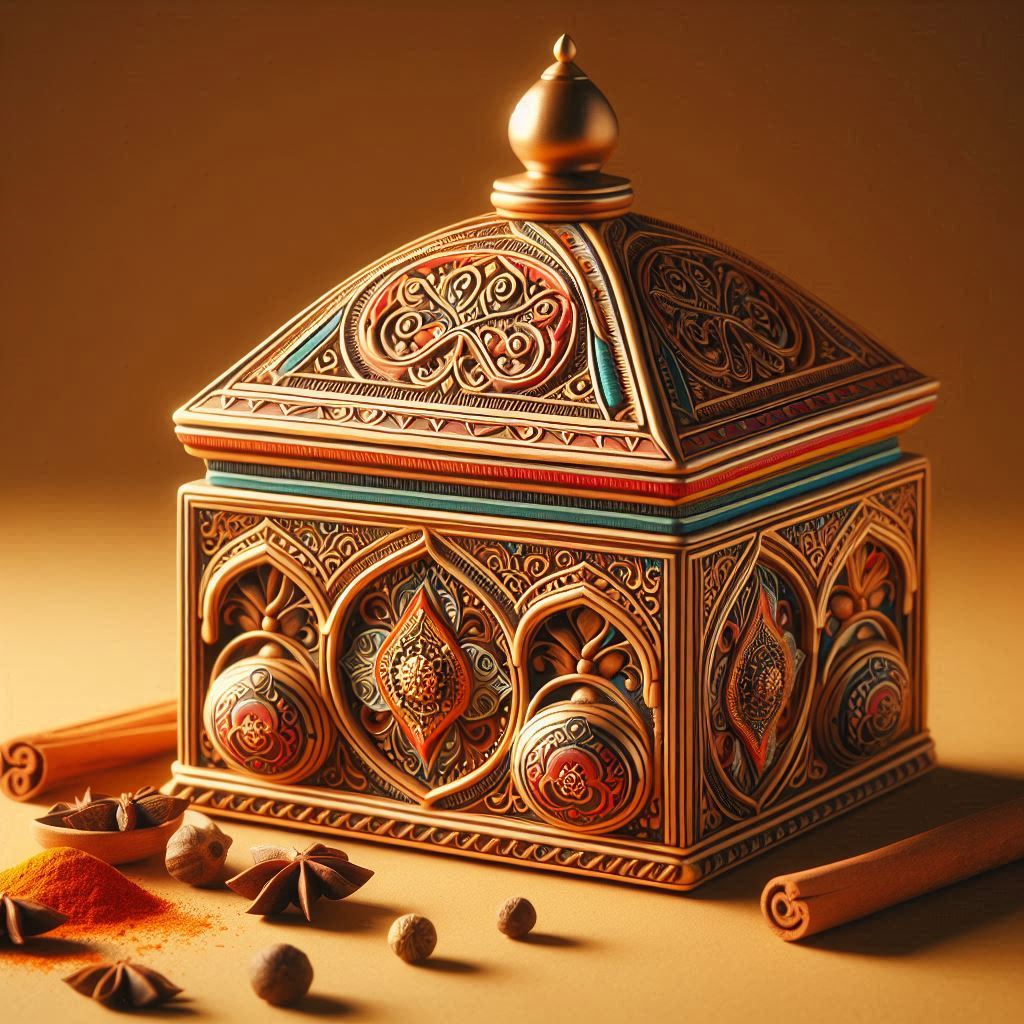
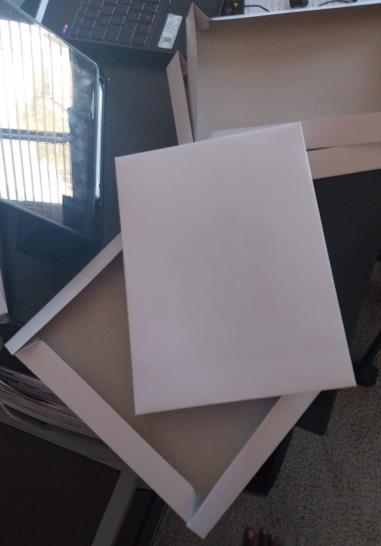
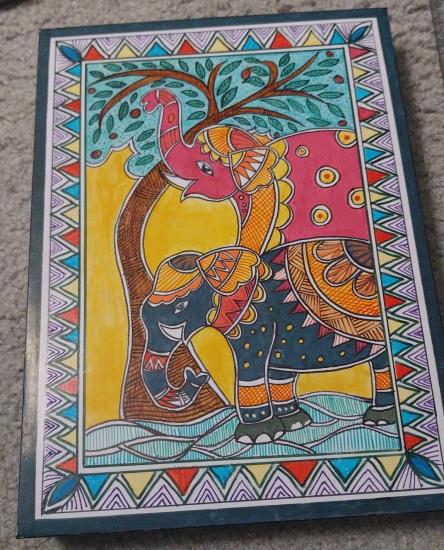
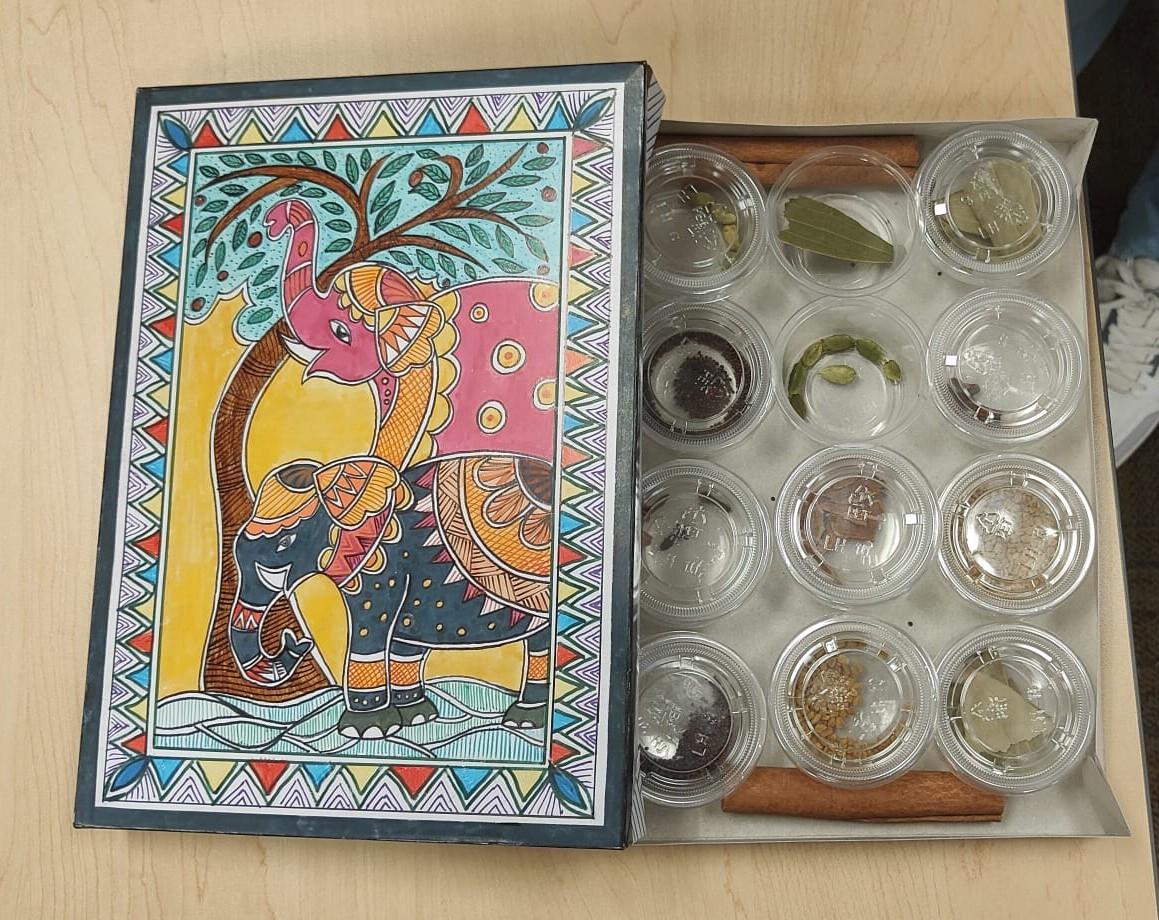
The Development of the Application - The Concept Behind Aroma Tales
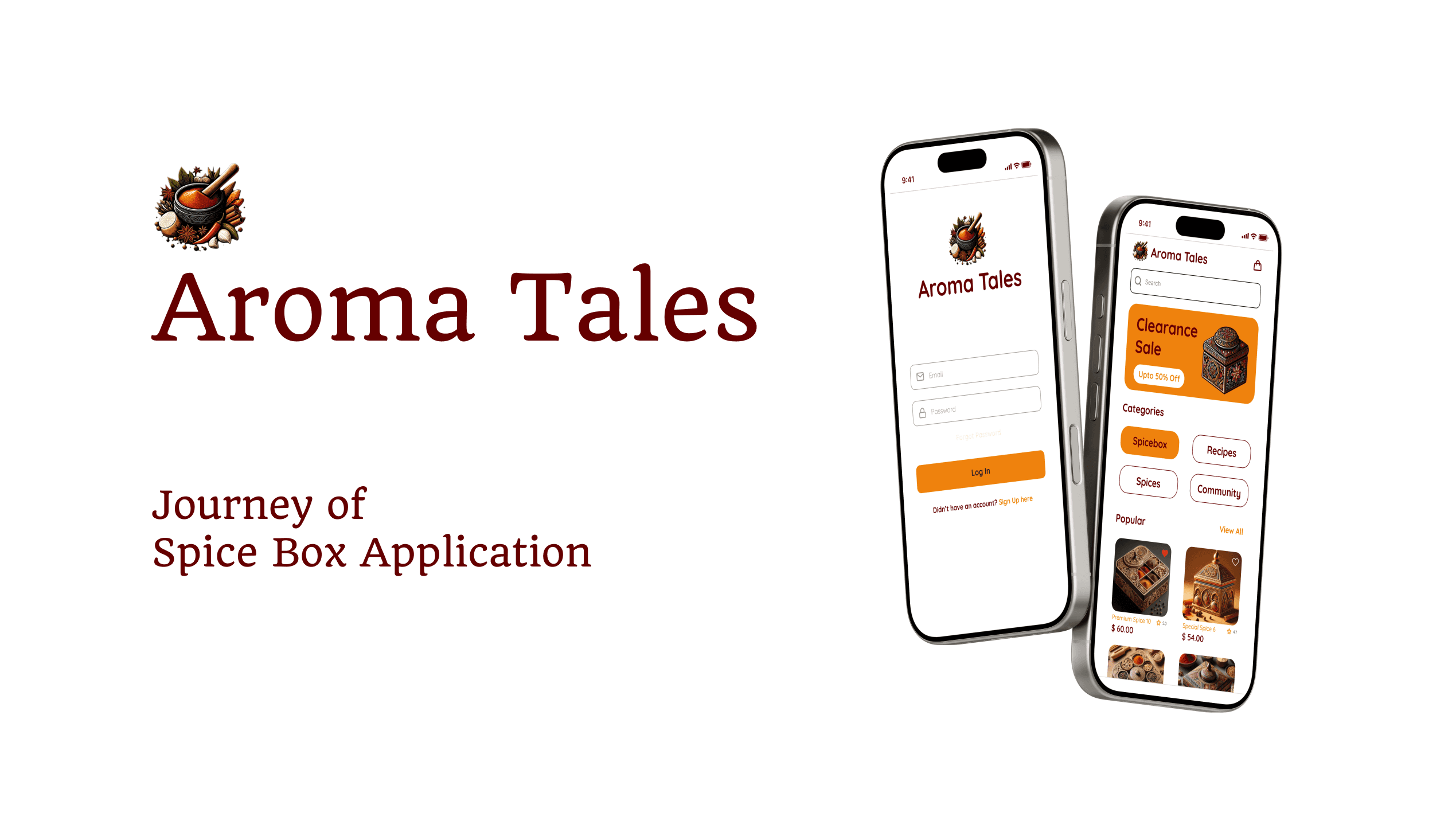
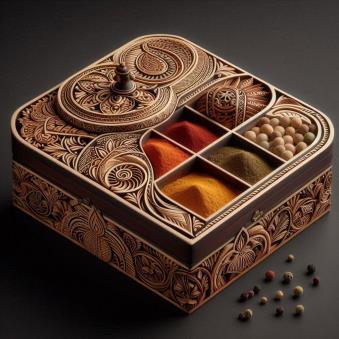
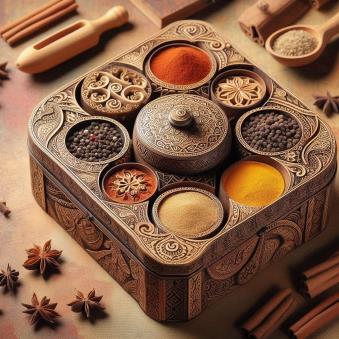
The name Aroma Tales captures the essence of what we aimed to create: a platform that shares stories through the aroma of Indian spices. We designed the application to revolve around our spice box as the central product, with additional features to create an immersive and interactive experience. Our goal was to build a bridge between functionality and cultural exploration. The app not only allows users to purchase the spice box but also offers curated recipes, access to individual spices and raw materials, and a collaborative community for culinary enthusiasts.
Through Aroma Tales, we want users to explore the beauty of Indian spices, experiment with their flavors, and connect with others who share their passion for cooking. The application is designed to make the spice box a daily companion, encouraging users to try new recipes, learn more about the spices, and engage with a global community.
Hi-Fidelity Mockups
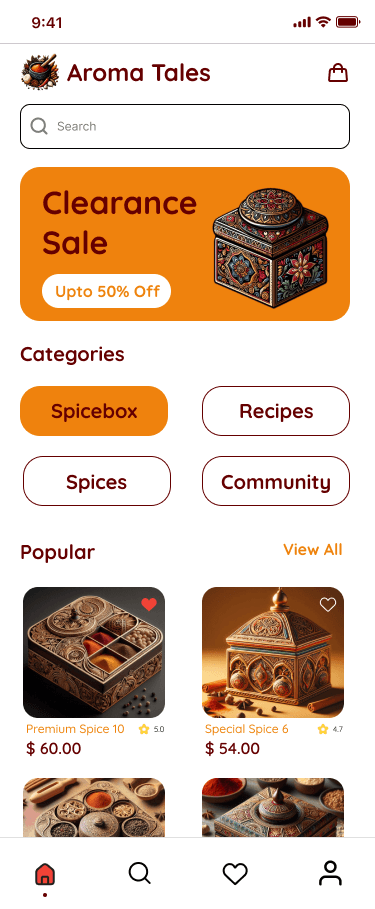
An application that's like having a spice bazaar in your pocket
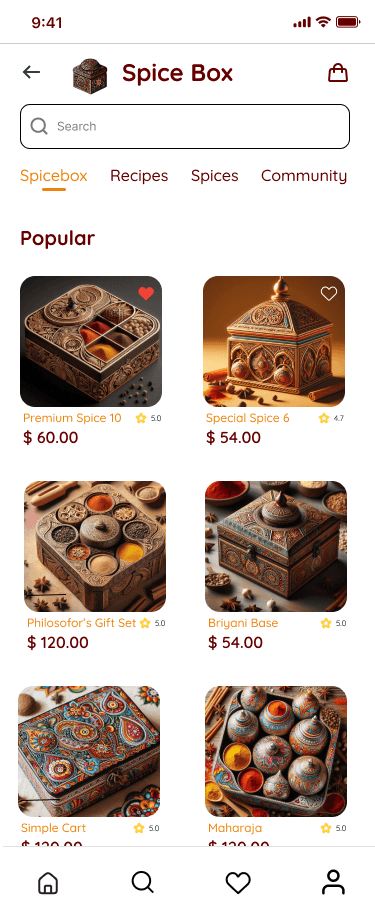
Purchase/Subscribe to spices and add them to favorites.
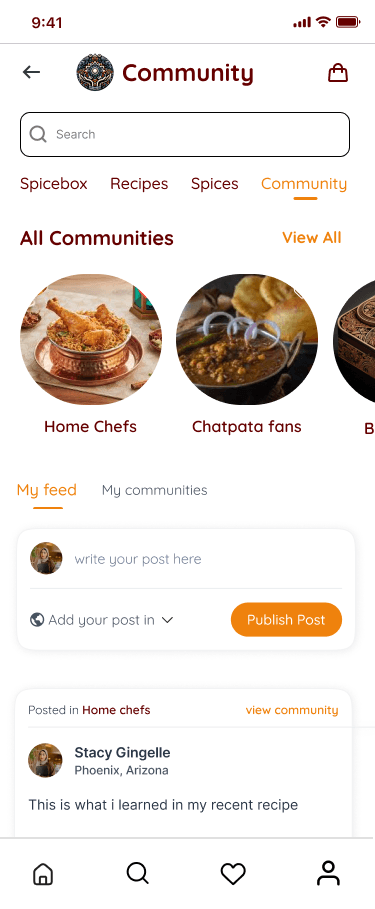
A community space where spice lovers can share their kitchen.
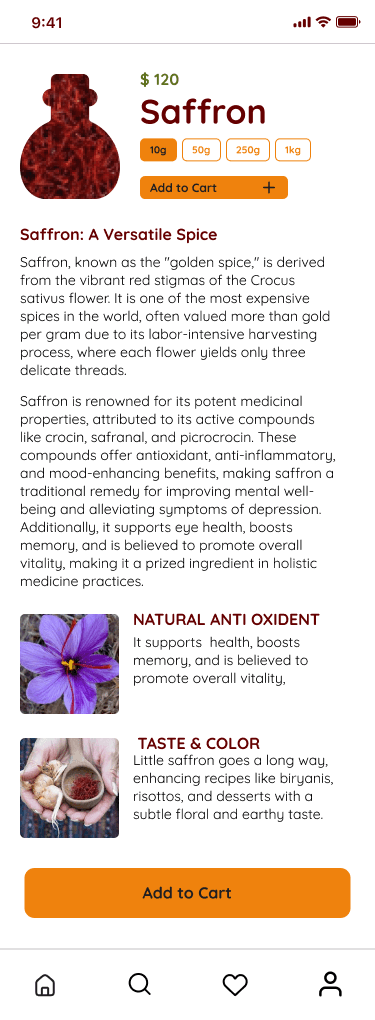
How We Designed the Application?
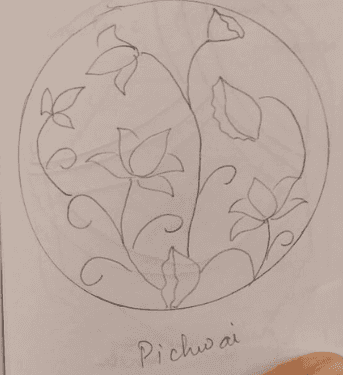
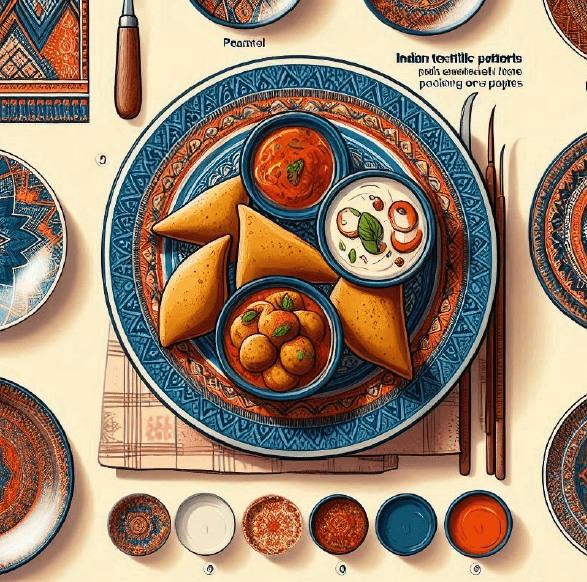
The visual identity of Aroma Tales reflects the artistic inspiration of the spice box. We used rich colors and patterns derived from Indian motifs, ensuring the app feels as culturally immersive as the product itself. The user interface is intuitive, with a clean layout and seamless navigation to ensure users can explore features effortlessly.
Few take-aways
Embracing Iterative Design
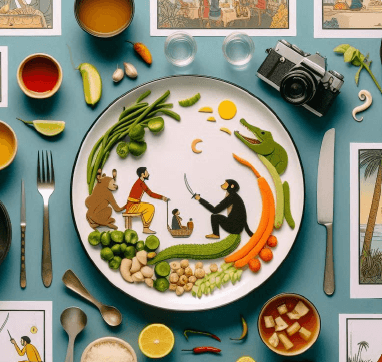
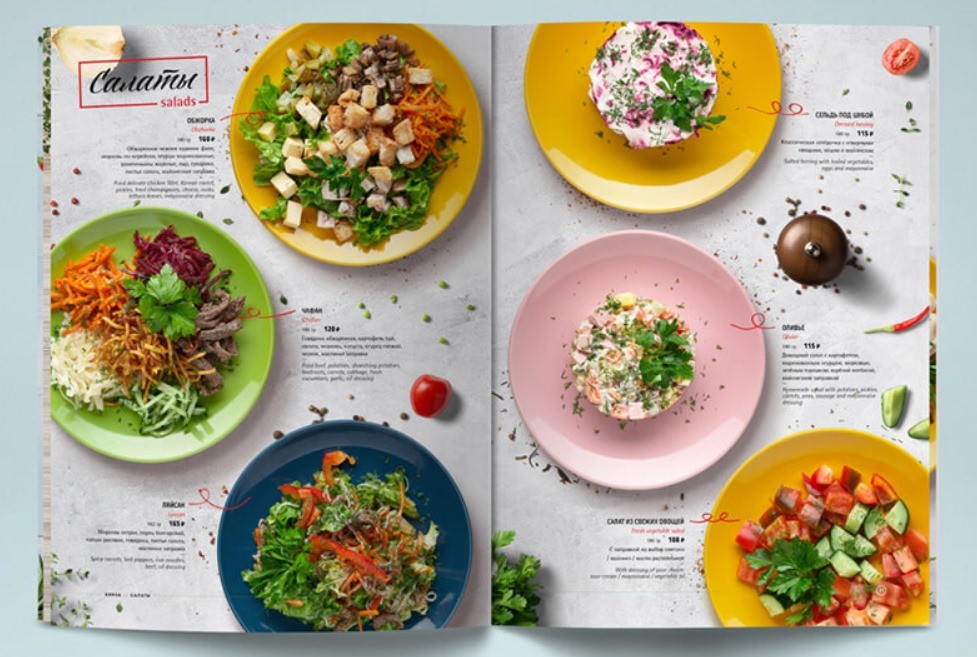
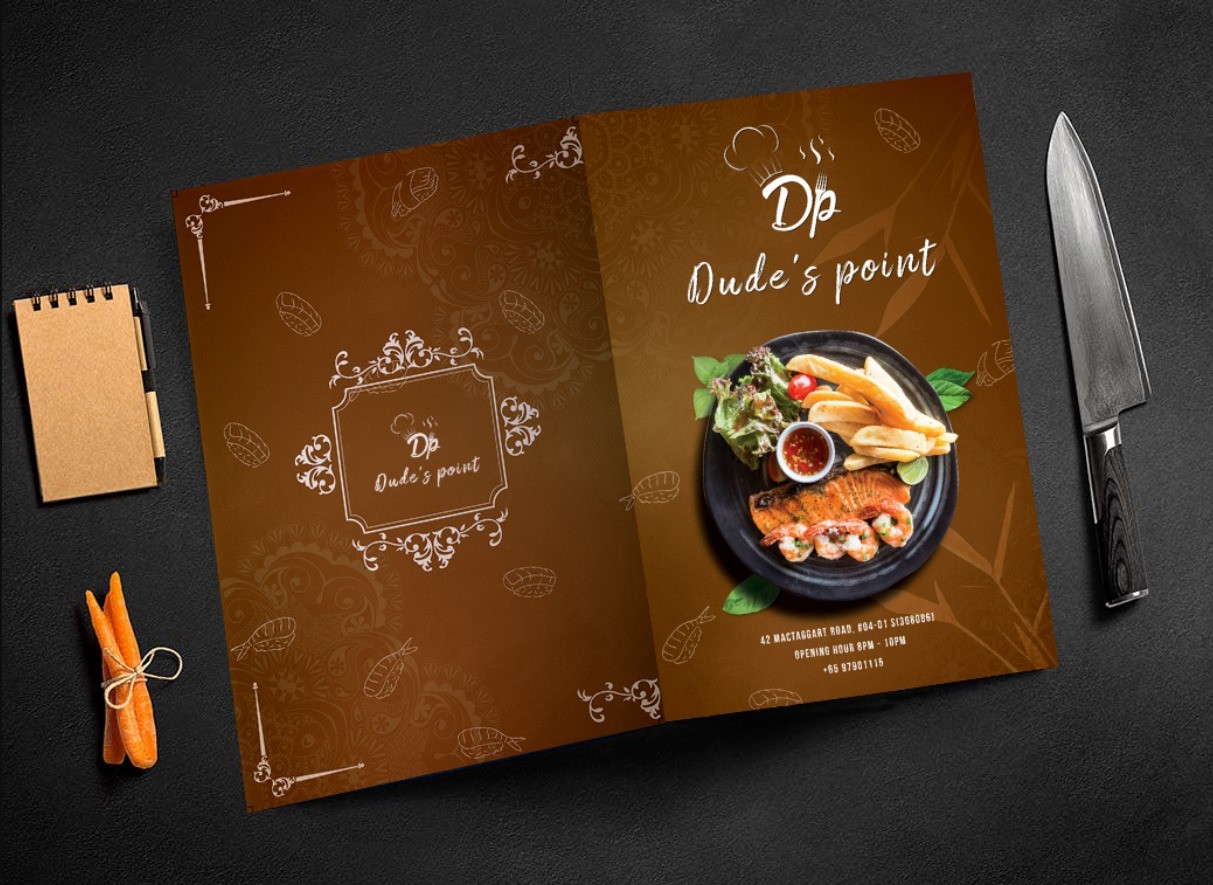
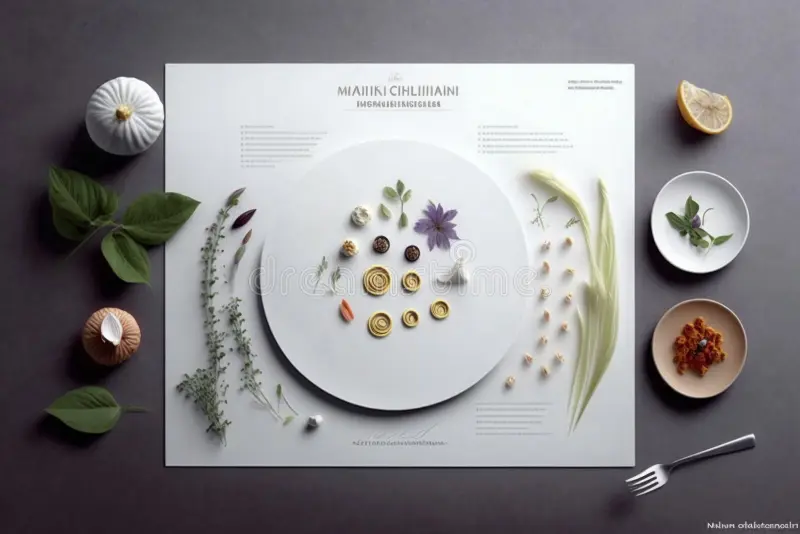
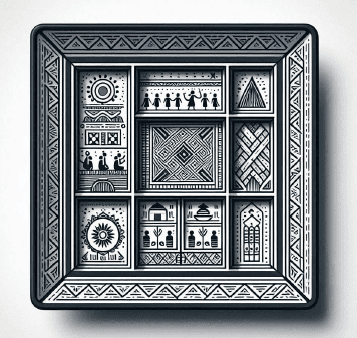
Your project demonstrated how initial concepts often evolve significantly through iteration. You started with separate ideas about fitness/photography and Indian art, then progressed through various concepts (plates, menus, projection mapping) before arriving at the spice box solution. This shows the importance of being willing to pivot and refine ideas based on feedback and practical considerations.
Value of Collaboration
The partnership between you and Rajeswari exemplifies how combining different perspectives can lead to stronger outcomes. When your professor suggested collaboration, the merger of your food focus with Rajeswari's artistic vision created something more innovative than either of you might have developed independently. This highlights how diverse viewpoints can enhance creative problem-solving.
Cultural Integration in Design
Your project successfully demonstrated how to meaningfully incorporate cultural elements into modern product design. The spice box wasn't just decorated with Indian art - it represented a thoughtful fusion of traditional cultural elements with contemporary functionality, showing how design can preserve and celebrate cultural heritage while serving practical needs.
User-Centric Development
Throughout the development process, you maintained focus on user needs and experiences. This was evident in how you evaluated each iteration - from realizing that food wouldn't stay beautiful on artistic plates to understanding that projection mapping, while exciting, wasn't practically feasible. This user-first mindset helped guide you toward a more viable solution.
Holistic Experience Design
The project evolved beyond just a physical product to encompass a complete ecosystem through the Aroma Tales app. You recognized that the spice box could be enhanced by digital features like recipe sharing, community building, and educational content. This shows understanding of how modern products can bridge physical and digital experiences.